
Clinical knowledge, without jargon.

Shock waves
Low Vitamin D: Symptoms, Causes and When to Get Tested
There is a paradox that surprises many people: Spain is a sunny country and yet vitamin D deficiency is very common. The reason is …
Oct. 21, 2026 · 4 min
Estética y cuidado de la piel
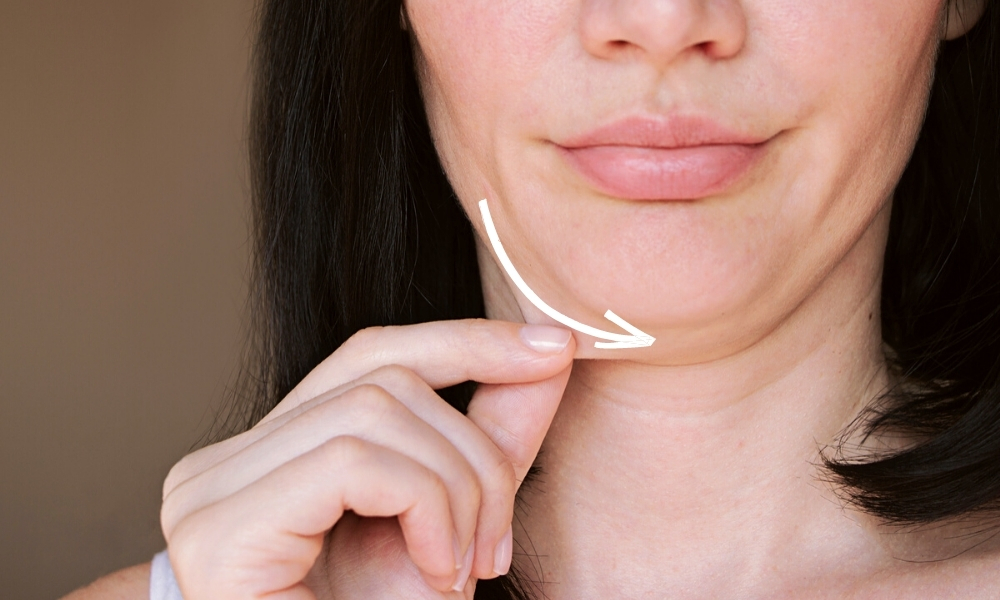
How to Remove a Double Chin Without Surgery: Options and Results
A double chin is one of the most frequent reasons for an aesthetic consultation, and also one of those surrounded by the most exaggerated …
Oct. 21, 2026 · 4 min
Estética y cuidado de la piel
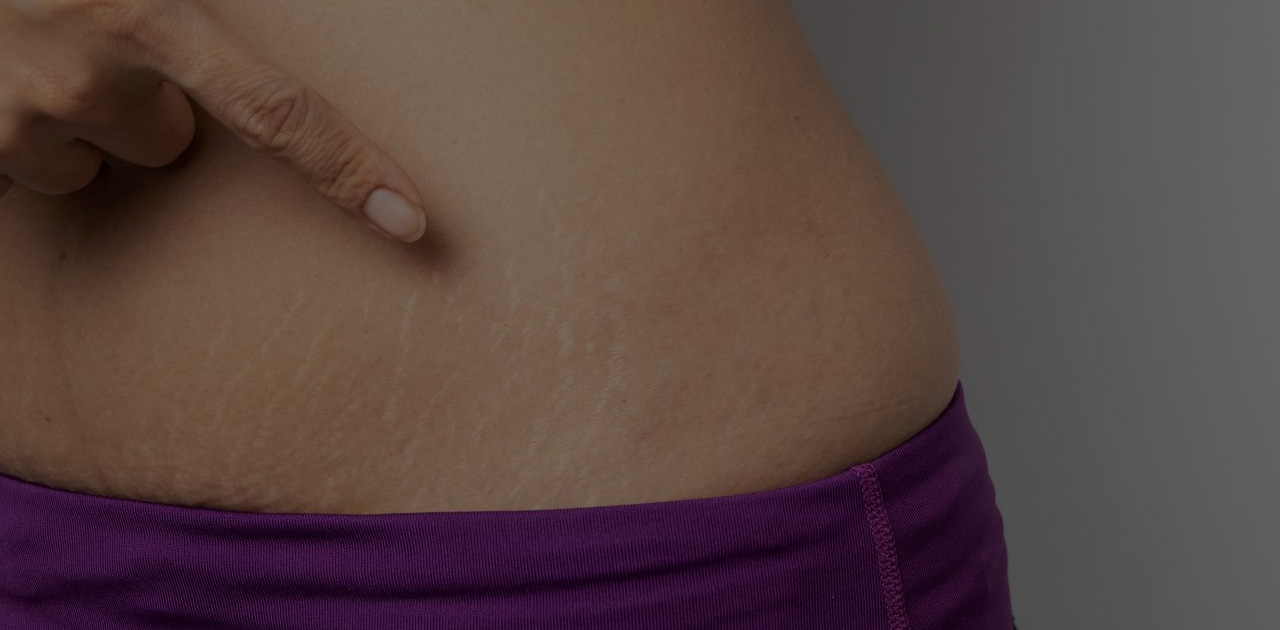
Stretch Marks: Why They Appear and Which Treatments Help Improve Them
Stretch marks are very common: they appear in most people at some point in life and are not a health problem. Even so, many …
Oct. 21, 2026 · 4 min
Shock waves
Cognitive Reserve: What It Is and How It Protects the Brain with Age
There is something observed again and again in brain research: two people can have similar brain changes and yet one keeps their memory and …
Oct. 21, 2026 · 4 min

Shock waves
Alzheimer's Treatments: What Options Exist Today and How They Are Combined
When a relative receives an Alzheimer's diagnosis, the first question is usually "and now what can be done?". It is worth being clear from …
Oct. 21, 2026 · 4 min
Shock waves
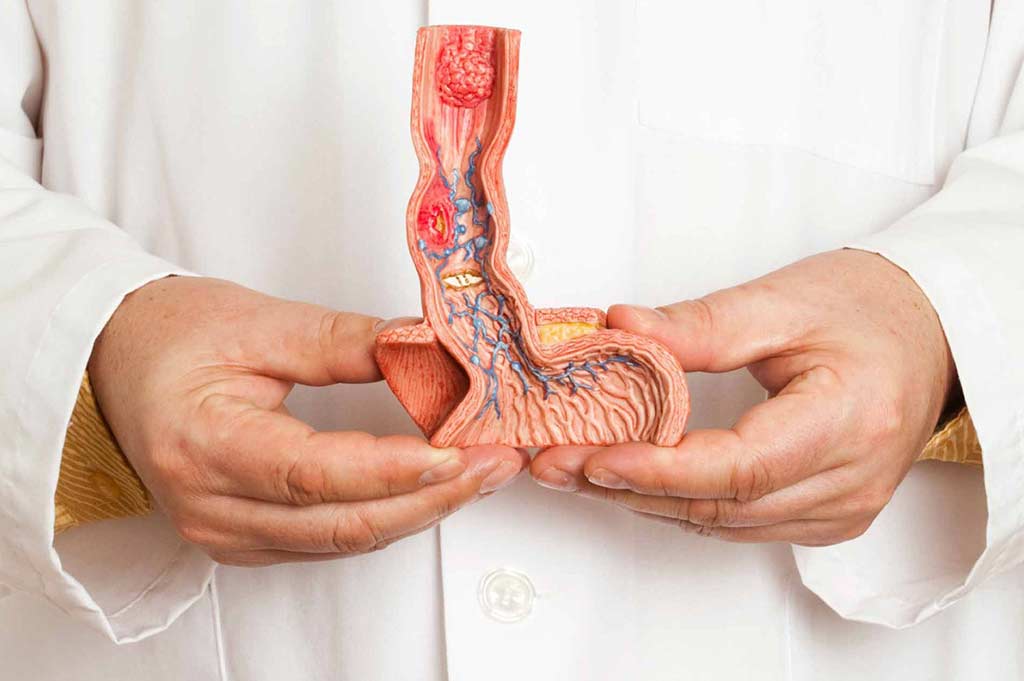
Peyronie's Disease: Symptoms, Causes and Non-Surgical Treatment Options
Peyronie's disease is more common than most men realise, and it is a genuine medical condition - not something to feel embarrassed about or …
Oct. 21, 2026 · 4 min
Shock waves
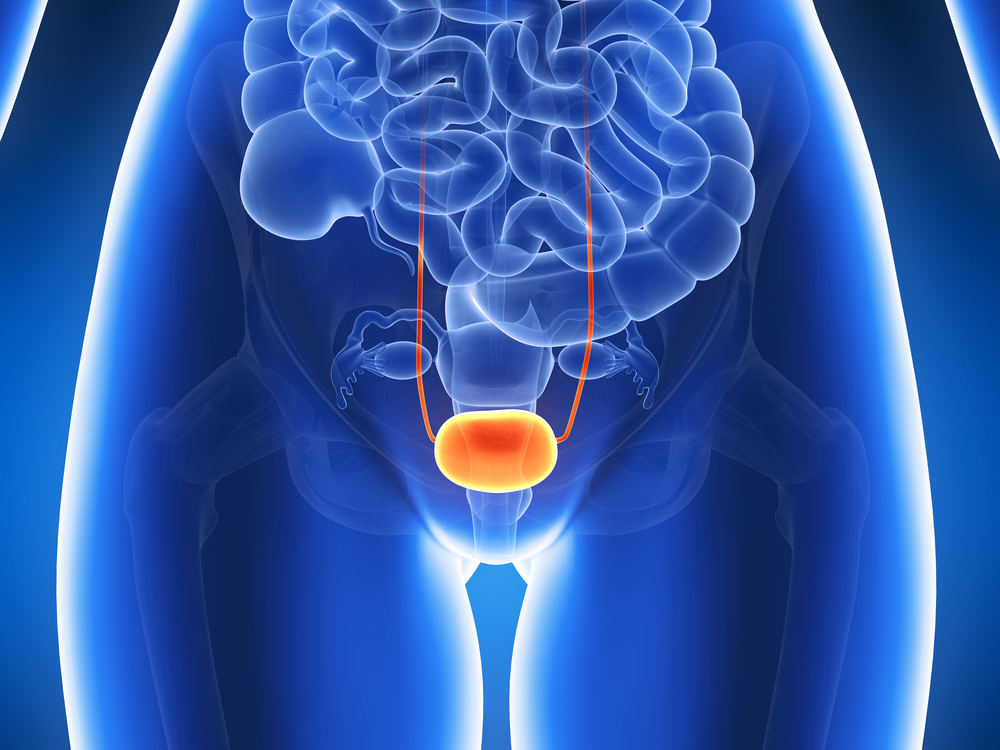
Overactive Bladder: Symptoms, Causes and Treatment Options
A sudden need to urinate that is hard to hold, going to the toilet many times a day and waking at night to urinate. …
Oct. 21, 2026 · 4 min
Shock waves
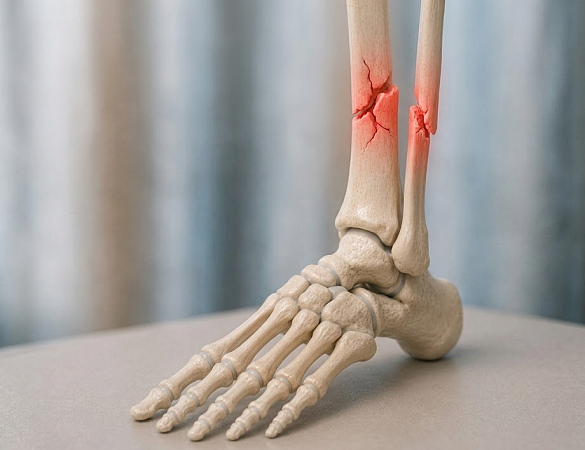
Shin Splints: Why Your Shin Hurts When You Run and How to Treat It
You started running, or suddenly increased your mileage, and a few weeks later you felt pain on the inner side of your shin. It …
Oct. 21, 2026 · 4 min
Shock waves
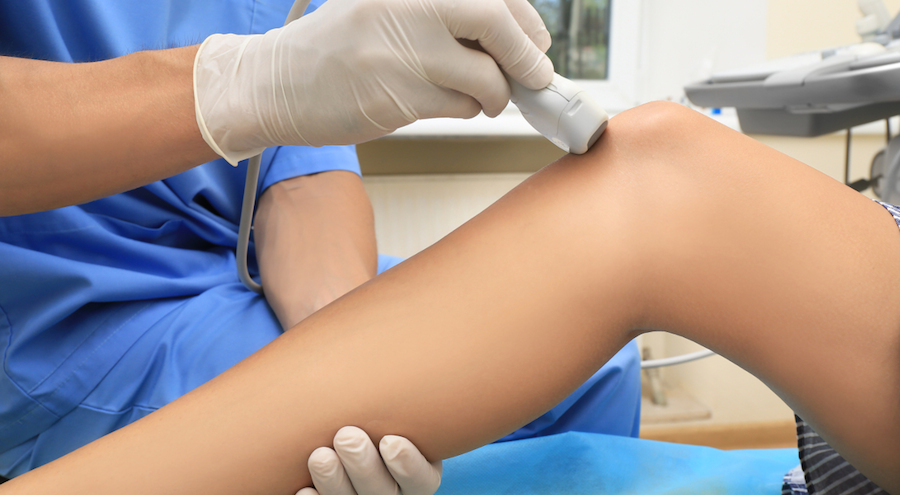
Patellar Tendinitis (Jumper's Knee): Causes, Symptoms and Treatment
Patellar tendinitis is pain in the front of the knee, just below the kneecap, that appears above all in people who jump and run: …
Oct. 21, 2026 · 4 min
Neurology & brain health
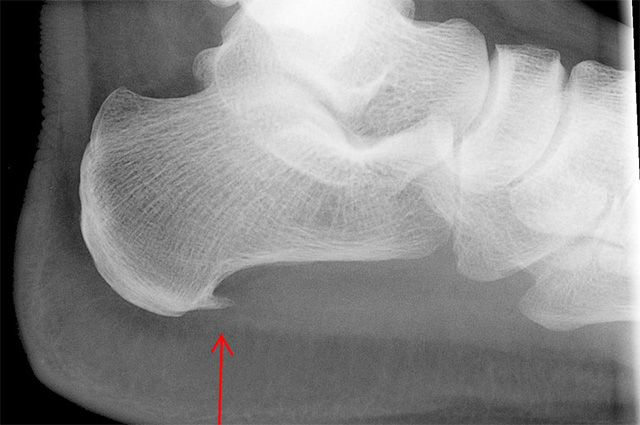
Heel Spur: What It Is, Symptoms and Treatment
If your heel hurts when you take your first steps in the morning, or when you stand up after sitting for a while, you …
Oct. 20, 2026 · 4 min