
Shock waves
Overactive Bladder: Symptoms, Causes and Treatment Options
Oct. 21, 2026 · 4 min ·
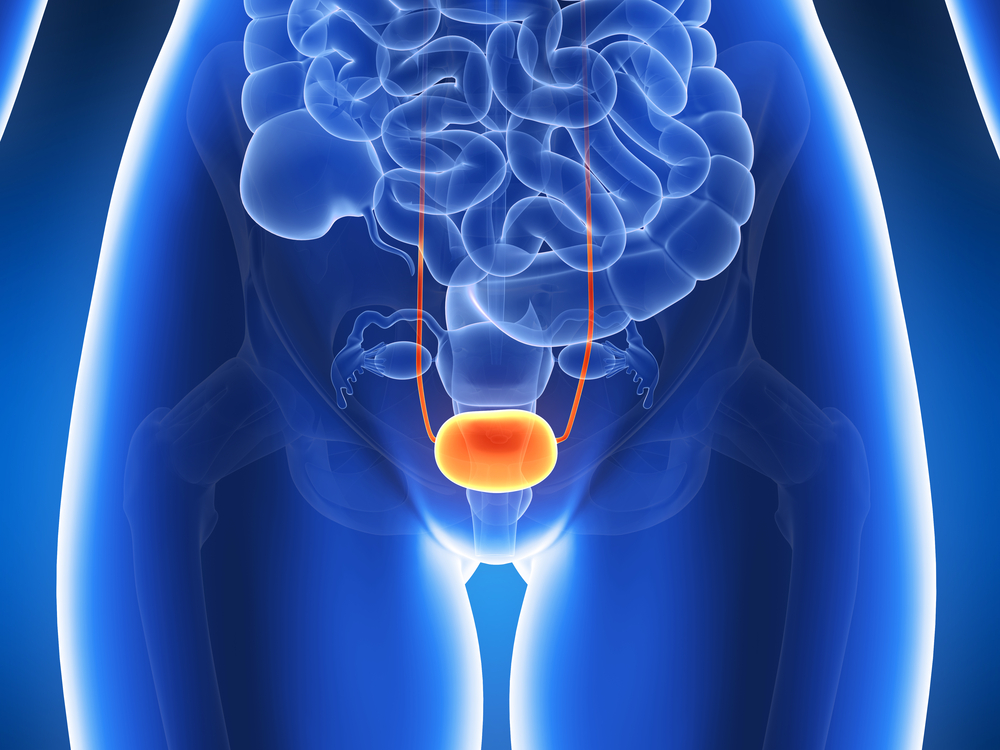
A sudden need to urinate that is hard to hold, going to the toilet many times a day and waking at night to urinate. If you recognise yourself in this, you may have an overactive bladder. It is a very common problem, in both women and men, and although it is often lived in silence out of embarrassment, it is treatable and usually improves considerably. In this article we explain what it is, why it appears, how it differs from other types of urine loss and what options exist to regain control.
What Is an Overactive Bladder?
An overactive bladder is a syndrome in which the bladder contracts when it should not, and conveys the urgent sensation of needing to urinate even when it is not full. It is not a single disease, but a set of symptoms revolving around that urgency.
It is important to remove the stigma: it is not "something that comes with age" that has to be endured, nor an inevitable consequence of having had children. It is a specific medical problem, with causes that can be studied and treated.
Symptoms
The symptoms that define an overactive bladder are:
-
Urgency: sudden, intense needs to urinate, hard to postpone.
-
Frequency: the need to urinate many times during the day.
-
Nocturia: waking one or more times at night to urinate.
-
Urgency with leakage (urge incontinence): in some cases, loss of urine before reaching the toilet.
Not everyone has all the symptoms. Urgency is the central feature; the rest may appear to a greater or lesser degree.
Overactive Bladder and Stress Incontinence: The Differences
They are often confused, but they have different causes and treatments.
|
Overactive bladder |
Stress incontinence |
|
|
What causes it |
Involuntary contractions of the bladder |
Weakness of the pelvic floor |
|
When leakage happens |
With an urgency that is hard to hold back |
When coughing, laughing, sneezing or lifting weight |
|
Key symptom |
An urgent need to urinate |
Small leaks with effort |
Sometimes the two coexist (what is called mixed incontinence). To work the muscles that support the bladder, the pelvic floor is key - a topic we cover separately.
Causes
In many cases there is no single identifiable cause, but several factors play a role.
Can It Be Due to Anxiety?
The emotional state influences the bladder. Stress and anxiety can increase the sensation of urgency and the frequency, and in turn the problem generates more anxiety, creating a cycle. Recognising this component helps, because part of the treatment may include techniques to reduce that tension. This does not mean it is "just nerves": the physical causes should be studied too.
Overactive Bladder in Men
In men, overactive bladder symptoms are frequently associated with prostate problems, such as the benign enlargement that appears with age. For that reason, in men the urological assessment usually includes studying the prostate in order to treat the underlying cause.
Other factors that can contribute in both sexes are certain neurological diseases, some infections, caffeine or alcohol intake and certain medications.
Diagnosis: The Bladder Diary
One of the most useful and simplest tools is the bladder diary: over a few days you note when you urinate, the approximate amount, what you drink and when the urgencies or leaks appear. That information gives the doctor a real picture of your case.
The study is usually completed with a urine test to rule out an infection, which can give similar symptoms, and with whatever examination is appropriate for your situation.
Treatment of an Overactive Bladder
Treatment almost always starts with the least invasive measures and escalates according to the response.
Lifestyle Changes and Bladder Retraining
-
Adjust the amount and timing of fluid intake, without overdoing the restriction.
-
Reduce caffeine and alcohol, which irritate the bladder.
-
Bladder retraining: train the bladder to space out urination little by little.
These measures, though they may seem simple, are the basis of treatment and in many cases improve symptoms considerably.
Pelvic Floor Exercises
Strengthening the pelvic floor muscles helps control urgency and reduce leaks. Learning to do them correctly, ideally with the guidance of a professional, makes the difference compared with doing them "by intuition".
Medication
When the previous measures are not enough, there are groups of drugs that help relax the bladder and reduce urgency. The options and their indication are assessed and prescribed by the doctor according to your case; in this article we do not go into names or doses because they must be individualised.
Can an Overactive Bladder Be Cured?
Talking about "cure" is not the most precise term. What is realistic, and what happens in most cases, is that the symptoms are very well controlled with the right treatment, to the point of regaining a good quality of life. The goal is for the bladder to stop dictating your day-to-day life.
When to See a Doctor
Ask for an assessment if the symptoms affect your daily life or your rest, and consult without delay if warning signs appear such as blood in the urine, pain when urinating or fever, which require ruling out other causes. At the clinic, the urological assessment makes it possible to study the origin of the problem and propose the most appropriate treatment; you can learn about our work in the urology section.
Frequently Asked Questions
Does an overactive bladder have a solution? In most cases the symptoms are very well controlled by combining lifestyle changes, pelvic floor exercises and, when needed, medical treatment. The key is to study each case rather than resign yourself to it.
Does drinking less water help? It is not advisable to overdo it: severely restricting fluids concentrates the urine and can irritate the bladder more. The recommendation is to adjust the amount and the timing, not to eliminate water.
Is it a problem only of older people? No. It is more common with age, but it affects adults of any age, men and women. It is not part of "normal" ageing that has to be accepted without question.
Book Your Consultation
If urgent needs and constant trips to the toilet are conditioning your day-to-day life, a urological assessment is the first step to regaining control. After the consultation we design a personalised plan.
-
Book an appointment: Book a consultation
-
WhatsApp: +34 624 00 62 44
-
Phone: +34 624 00 62 44
-
Address: Carrer de Santaló, 105 · 08021 Barcelona