
Shoulder
Shoulder tendinitis, calcific tendinitis and subacromial syndrome that limit the ability to raise the arm.
Specialties · Musculoskeletal system · Shockwave therapy + magnetotherapy STORZ MEDICAL
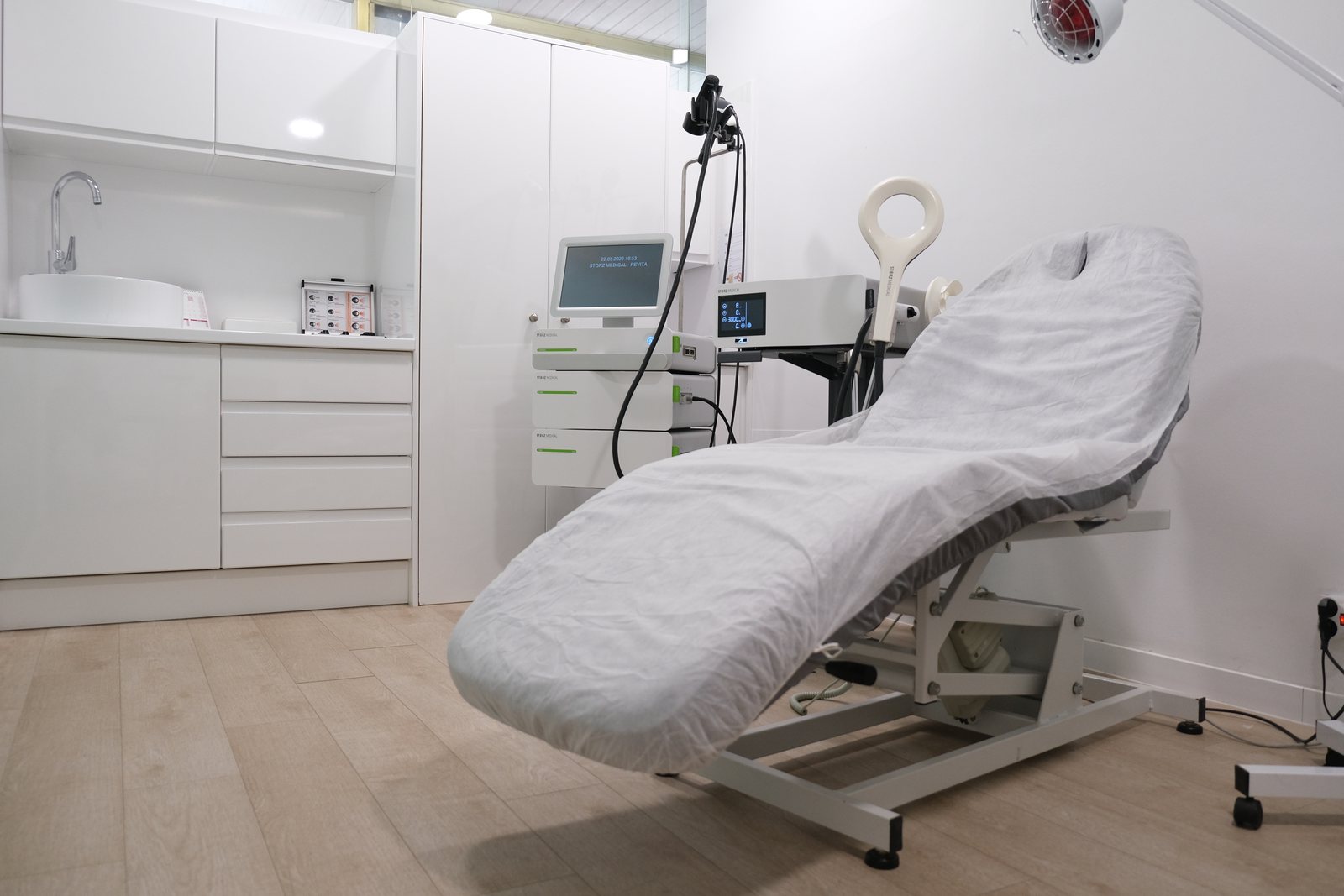
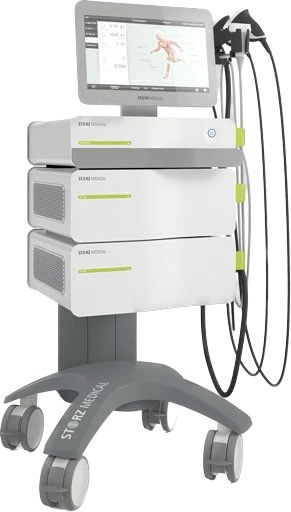
Have you had pain in your shoulder, elbow, heel or knee for weeks or months, and rest, anti-inflammatories or physiotherapy have not been enough? At Clínica Revita, we treat chronic musculoskeletal pain with shockwave therapy and high-intensity magnetotherapy, two non-invasive methods using STORZ MEDICAL equipment.
When the doctor considers it appropriate, these treatments can be an alternative to injections or a step before considering surgery. The decision is made after consultation and review of the patient's tests.
Book a consultation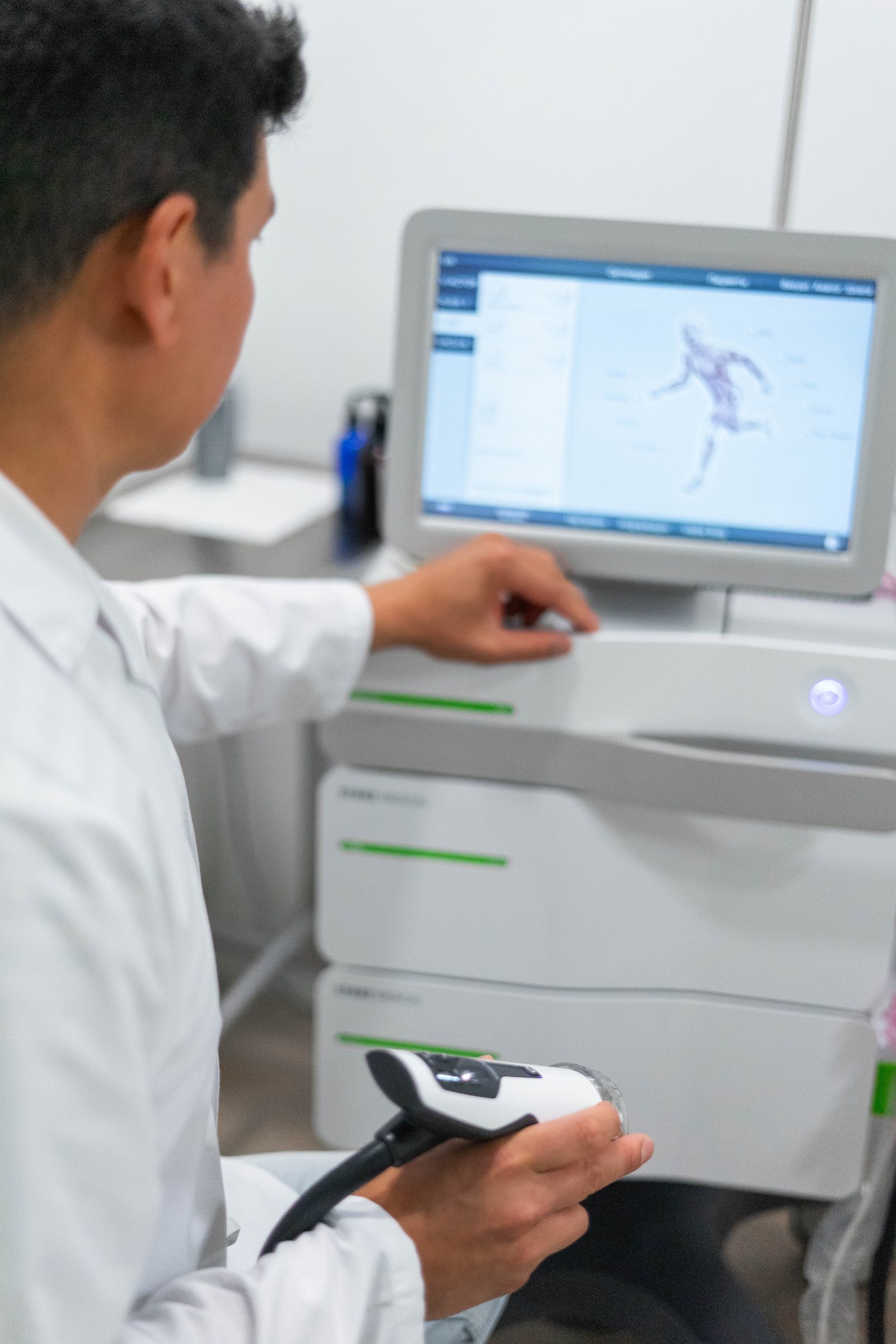
Shoulder tendinitis, calcific tendinitis and subacromial syndrome that limit the ability to raise the arm.
Lateral epicondylitis (tennis elbow) and medial epicondylitis (golfer's elbow), with pain when gripping objects or turning the wrist.
Plantar fasciitis and heel spur, with pain when taking the first steps in the morning.
Achilles tendinopathy and enthesopathy —involvement where the tendon attaches to the bone—, with stiffness and pain at the back of the heel.
Patellar tendinitis and patellar chondromalacia, with pain when climbing stairs or crouching.
Trochanteritis or trochanteric bursitis, with pain on the outer side of the hip, especially when sleeping on your side.
Chronic low back pain and muscle pain in the lower back.
Delayed union and nonunion after a fracture.
Grade I–II osteoarthritis, as supportive treatment to reduce pain and improve mobility.
Applied directly to the focus of pain, with focal or radial waves depending on tissue depth. It stimulates local circulation and the regeneration of tendons and fasciae.
A pulsed magnetic field acts deep down without skin contact and helps reduce inflammation and pain. It is used alone or with shockwave therapy when the doctor considers the combination appropriate.
The doctor assesses the affected area, reviews available X-rays, ultrasounds or MRI scans and proposes a treatment protocol.
Usually 3 to 6 sessions are carried out at intervals of 5 to 7 days. The effect is cumulative and develops over the course.
After 6–8 weeks, the assessment is repeated and the plan adjusted if necessary, for example by adding exercises or physiotherapy.
It is usually indicated for tendinopathies and chronic pain that have not improved with rest, anti-inflammatories or physiotherapy over several weeks. It is not the first choice for recent acute injuries, such as a sprain or a complete tendon rupture. The doctor decides in each case after the examination.
During the session, you may feel discomfort in the treated area, which the doctor regulates by adjusting the intensity. Afterwards, some patients notice slight sensitivity for one or two days. Magnetotherapy, for its part, does not cause pain.
It is advisable to bring any X-rays, ultrasounds or MRI scans you have. If you do not have them and the doctor considers them necessary to confirm the diagnosis, they will be ordered during the consultation.
In most cases, you can maintain moderate activity, avoiding intense strain on the treated area in the days close to the session. The doctor will tell you which activities to limit and for how long.
Among other cases, it is not applied during pregnancy, with tumours or infections in the area to be treated, or with coagulation disorders. Magnetotherapy is also not applied in patients with a pacemaker. The complete list is reviewed during the consultation.
The doctor will assess your case, review your tests and propose a treatment protocol.
Book an appointmentMessage on WhatsAppThe information on this page is for guidance only and does not replace a doctor's assessment.
Reviewed by: Dr. Tigran Chalabyan, medical director Clínica Revita, 13/10/2026.